Unraveling the World of Card Games with Apostabet
A Brief Introduction to Card Games
Card games have been a cornerstone of entertainment for centuries, providing amusement and challenge to people worldwide. They span cultures, ages, and skill levels. From the strategic depths of bridge to the casual fun of crazy eights, the variety and richness of card games are immense. Each game comes with its own set of rules and nuances that offer unique experiences.
Understanding the Basics
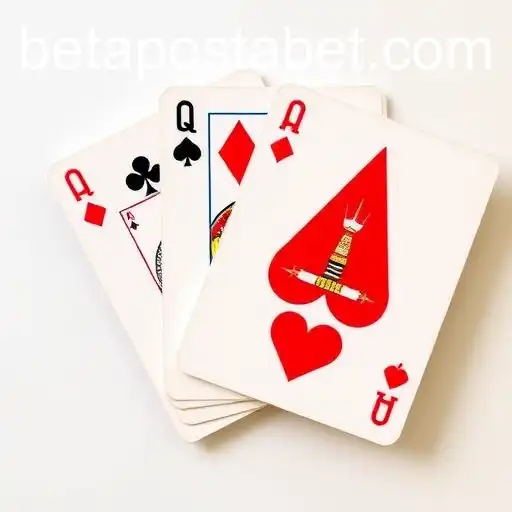
A standard deck typically holds 52 cards, divided into four suits: hearts, diamonds, clubs, and spades. However, the deck can transform with additional cards or specific configurations depending on the game's requirements. Card games can range from simple luck-based games to complex strategic challenges.
The Role of Apostabet in Card Games
In recent years, a new dimension has been added to the card game universe, known as "apostabet." This intriguing term refers to a creative framework wherein each card element is associated with alphabetic characters or symbolic representations that add layers to the traditional gameplay.
The fusion of cards with an apostabet approach allows players to delve into the intricacies of language and numbers while engaging in strategic thinking. This integration not only diversifies the game but also enhances the educational aspect, making it appealing to a broader audience.
Classic Vs. Modern Interpretations
Traditional card games like poker and rummy have seen adaptations with apostabet concepts, reinventing how players perceive and interact with their decks. For instance, in an apostabet poker game, each card might be linked to a specific letter, making spelling and word formation as crucial as the hand's value itself. This dual focus challenges players to juggle traditional strategies with linguistic prowess.
Moreover, the apostabet method can transform solitaire, a timeless solo endeavor, into a word puzzle, thereby offering endless combinations and replayability. Hence, such innovations breathe new life into classic games, drawing in enthusiasts of word games as well as traditional players.
Apostabet in Educational Settings
One of the most significant impacts of incorporating apostabet into card games is evident in educational contexts. These games serve as valuable tools for language acquisition and literacy, especially among younger audiences. Educators find them effective in engaging students who otherwise might shy away from conventional methods.
The Social Dynamics of Card Games
Card games, by nature, are social activities that foster interaction and communication among players. The integration of apostabet adds an extra layer of social engagement by encouraging players to think collaboratively about language and logic.
During family gatherings or casual get-togethers, a card game becomes an avenue for storytelling, teaching, and bonding. Apostabet broadens this dynamic as players debate word meanings, invent phrases, and indulge in friendly contestations.
Pushing the Boundaries with Digital Platforms
As the world embraces digital transformation, card games too have found new platforms online. The digital realm offers an opportunity for innovative adaptations of the apostabet system. Online platforms make it easy to explore co-op modes, leaderboards, and interactive puzzles utilizing the apostabet framework.
These adaptations embrace global communities, allowing players to engage with others across the world. Such connectivity promotes cultural exchange and a shared love for card and word games.
Conclusion
The fusion of traditional card games with the apostabet concept represents a brilliant evolution in game design. It embodies a synthesis of entertainment and education, inviting universal engagement from various age groups, skills, and cultural backgrounds. As card games continue to evolve and adapt, concepts like apostabet play crucial roles in enriching the gaming landscape. As the horizons of creativity and technology expand, so too do the possibilities for this timeless form of recreation.